Maruti Suzuki eVX 2026: The Complete Guide to India’s Best New Electric SUV
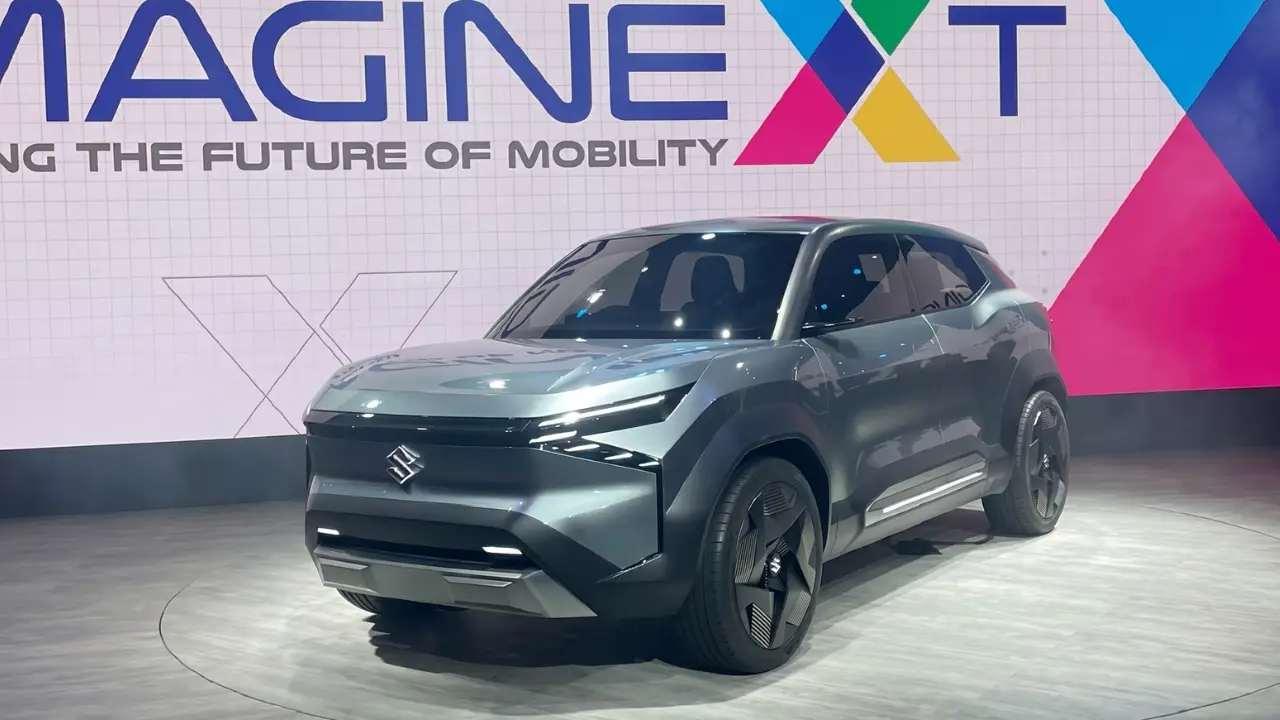
We have been waiting for this since Auto Expo 2023. The Maruti Suzuki eVX concept finally made it to production as the e Vitara, and honestly, the wait was worth it. Maruti did not just build an EV for the sake of having one. They actually sat down, looked at what was wrong with existing options in India, and fixed most of it. Long real-world range. Flexible pricing. And a service network that already reaches places where most EV brands still don’t.
Background: Why Maruti Took So Long to Go Electric
Critics were not wrong to question Maruti’s absence in the EV space. While Tata was selling Nexon EVs by the thousands and MG was pulling in premium buyers, Maruti was still selling CNG cars. It looked like they missed the bus.
But here is what actually happened. Maruti was building a dedicated EV platform from the ground up, called the HEARTECT-e. No battery stuffed into an old petrol car body. No compromises on wheelbase or interior room. They essentially built the foundation first, then built the car on top of it.
That approach takes time. And the result is a vehicle that does not feel like an experiment.
Inside the Cabin: Finally, a Premium Maruti
Walk into an e Vitara showroom and the first thing you notice is that this does not look like a Maruti interior. Dual screens, 10.1 to 10.25 inches each, covering the infotainment and the driver’s digital cluster. Wireless Android Auto and Apple CarPlay. A 10-speaker Infinity audio system. Ventilated front seats. 360-degree camera.
Maruti loaded this with features you usually have to pay Rs. 30 lakh to get in other brands.
The real headline feature though is Level 2 ADAS. Adaptive cruise control, lane-keep assist, autonomous emergency braking, rear cross-traffic alert. This level of driver assistance is genuinely rare in the Rs. 16 to 20 lakh segment in India. The Hyundai Creta EV offers a comparable ADAS package, but at a noticeably higher entry price. Here it is standard on upper variants.
The interior quality is a noticeable step up from the typical Maruti you are used to. Soft-touch materials, dual-tone themes, a single-pane glass roof on higher trims. It finally feels like a product that matches the price tag.
Range and Real-World Performance
Two battery options are available. A 49 kWh pack with a claimed range of 440 km, and a 61 kWh pack claiming 543 km under ARAI conditions.
Real-world numbers will be lower, obviously. In mixed Indian driving with AC running, expect around 350 km from the smaller battery and 420 km from the 61 kWh. On a long highway run, that still gives you around 380 to 400 km before you need a charge stop.
For most Indian families doing daily city commutes plus the occasional intercity trip, the 61 kWh variant genuinely removes range anxiety from the conversation.
Power output goes from 142 bhp on the base variant to 172 bhp on the top-spec 61 kWh models. Front-wheel drive only in India. Honestly, for city traffic and the occasional Bangalore to Mysore weekend run, you really do not need AWD anyway. The 0 to 100 km/h time is around 9 seconds in real conditions. Not sporty, but completely adequate.
DC fast charging takes the battery from 10 to 80 percent in about 45 minutes. A full AC home charge is roughly 6.5 hours overnight. Running costs work out to around Rs. 1 to 1.5 per km, compared to Rs. 8 to 10 for a petrol SUV of similar size. For someone doing 1,500 km a month, that is a saving of Rs. 4,000 to 6,000 every single month.
The 5-Star Bharat NCAP safety rating is not just a marketing badge either. Seven airbags standard across all variants. The EV-specific platform adds structural rigidity that most ICE-based SUVs at this price point simply cannot match. It is among the first mainstream EVs in India to combine a dedicated EV platform with a 5-star Bharat NCAP safety rating.
Pricing: The BaaS Model Explained Simply
Standard ex-showroom prices look like this:
| Variant | Battery | Claimed Range | Ex-Showroom Price |
|---|---|---|---|
| Delta | 49 kWh | 440 km | Rs. 15.99 Lakh |
| Zeta | 61 kWh | 543 km | Rs. 17.49 Lakh |
| Alpha | 61 kWh | 543 km | Rs. 19.79 Lakh |
| Alpha Dual Tone | 61 kWh | 543 km | Rs. 20.01 Lakh |
On-road prices land between Rs. 19.5 lakh and Rs. 25 lakh depending on city and variant. Strong initial demand with over 2,200 units sold in the first partial month after launch.
Now, the Battery-as-a-Service (BaaS) model is what is actually generating conversations. Under this option, the car starts at Rs. 10.99 Lakh, and instead of owning the battery, you pay Rs. 3.99 per km driven as a usage charge.
To sweeten the deal, Maruti is also offering an Assured Buyback Plan, guaranteeing 60% of the car’s value after 3 years or 45,000 km, which completely eliminates any resale value anxiety.
The Big Question: Does the BaaS Model Actually Save You Money?
This depends entirely on how much you drive.
If you are covering 50 or more km every day, buy the car outright at Rs. 15.99 lakh. The math will work in your favour over time. The per-km battery charge adds up fast at high mileage.
But if you are a moderate driver doing maybe 25 to 30 km daily, mostly within the city, the BaaS model brings the upfront cost down significantly. That Rs. 10.99 lakh price point fits a much smaller EMI. And the battery usage charge stays manageable.
No other EV in India currently offers this kind of flexibility at launch. That alone is a meaningful differentiator.
How It Stacks Up Against the Competition
| Model | Starting Price | Max Range | Key Strength |
|---|---|---|---|
| Tata Nexon EV | Rs. 12.49 Lakh | 489 km | Affordable entry point |
| Tata Curvv EV | Rs. 16.99 Lakh | 502 km | Coupe-style design |
| Hyundai Creta EV | Rs. 18.02 Lakh | 510 km | Brand value and features |
| MG ZS EV | Rs. 17.99 Lakh | 461 km | Premium feel |
| Maruti e Vitara | Rs. 15.99 Lakh | 543 km | Range plus Maruti service network |
The Nexon EV is cheaper, no argument there. But the e Vitara gives you more range, more features, and the kind of service network Tata simply cannot match outside of metros. In Tier 2 and Tier 3 cities, Maruti’s dealer presence is a practical advantage that matters every time something needs to be fixed or serviced.
The Hyundai Creta EV is a genuine rival on features, but you pay Rs. 2 lakh more at entry. The e Vitara closes that gap on range and beats it on price.
On range per rupee spent, the Maruti Suzuki eVX is ahead of every competitor currently in the segment.
Also Read: Ultraviolette X47 Crossover: The Most Capable Electric Motorcycle You Can Buy in India Right Now
Who Should Actually Buy This
The e Vitara makes the most sense for middle-class families looking to move up from a Brezza, Creta, or Seltos. People who want a long-range electric SUV without a Rs. 25 to 30 lakh price tag. Maruti loyalists who were specifically waiting for the brand to offer an EV before committing to the category.
It also works well for anyone covering city-plus-highway distances regularly. The 420 km real-world range on the 61 kWh battery is enough for most Indian intercity routes without needing a mid-trip charging stop.
Where it falls short: buyers who need serious off-road capability. No AWD, 185 mm ground clearance. That is fine for everything from city potholes to bad village roads, but not for actual off-roading.
The Zeta variant at Rs. 17.49 lakh is the sweet spot. You get the bigger 61 kWh battery, the 543 km claimed range, and most of the premium features without going all the way to Rs. 20 lakh for the Alpha.
Bottom Line
The Maruti Suzuki eVX is a practical, well-built, properly equipped electric SUV that arrives at the right time for the right price. The 543 km claimed range, 5-star BNCAP safety, Level 2 ADAS, and flexible BaaS pricing make it the most complete package in its segment right now.
Maruti’s massive service network removes one of the biggest practical anxieties around EV ownership in India. You will not be stuck waiting weeks for a service appointment in a smaller city.
If you are considering the Zeta or Alpha variant, book one before the waiting period stretches. Given the initial demand numbers, that is not a far-fetched concern.
FAQs
What is the price of the Maruti Suzuki eVX in India?
The Maruti Suzuki eVX, now sold as the e Vitara, starts at Rs. 15.99 lakh ex-showroom for the base Delta variant. It goes up to Rs. 20.01 lakh for the Alpha Dual Tone. The BaaS model brings the entry price down to Rs. 10.99 lakh with a per-km battery usage charge of Rs. 3.99.
What is the on-road price of the Maruti Suzuki eVX?
On-road prices vary by city and variant. Broadly, expect Rs. 19.5 lakh to Rs. 25 lakh after registration, insurance, and taxes. Delhi and Mumbai figures tend to be higher compared to other cities.
What is the launch date of the Maruti Suzuki eVX in India?
The Maruti Suzuki eVX was officially launched in early 2026 under the name e Vitara. As of May 2026, it is available at dealerships with deliveries actively underway across India.
What does the Maruti Suzuki eVX interior look like?
The interior gets dual 10.1 to 10.25-inch screens, wireless Android Auto and Apple CarPlay, ventilated front seats, a 10-speaker Infinity audio system, 360-degree camera, and Level 2 ADAS on upper variants. Material quality and finish are noticeably better than previous Maruti products, with soft-touch surfaces and dual-tone cabin themes.