New Toyota Urban Cruiser Ebella 2026: Complete Guide to India’s Most Talked-About Electric SUV
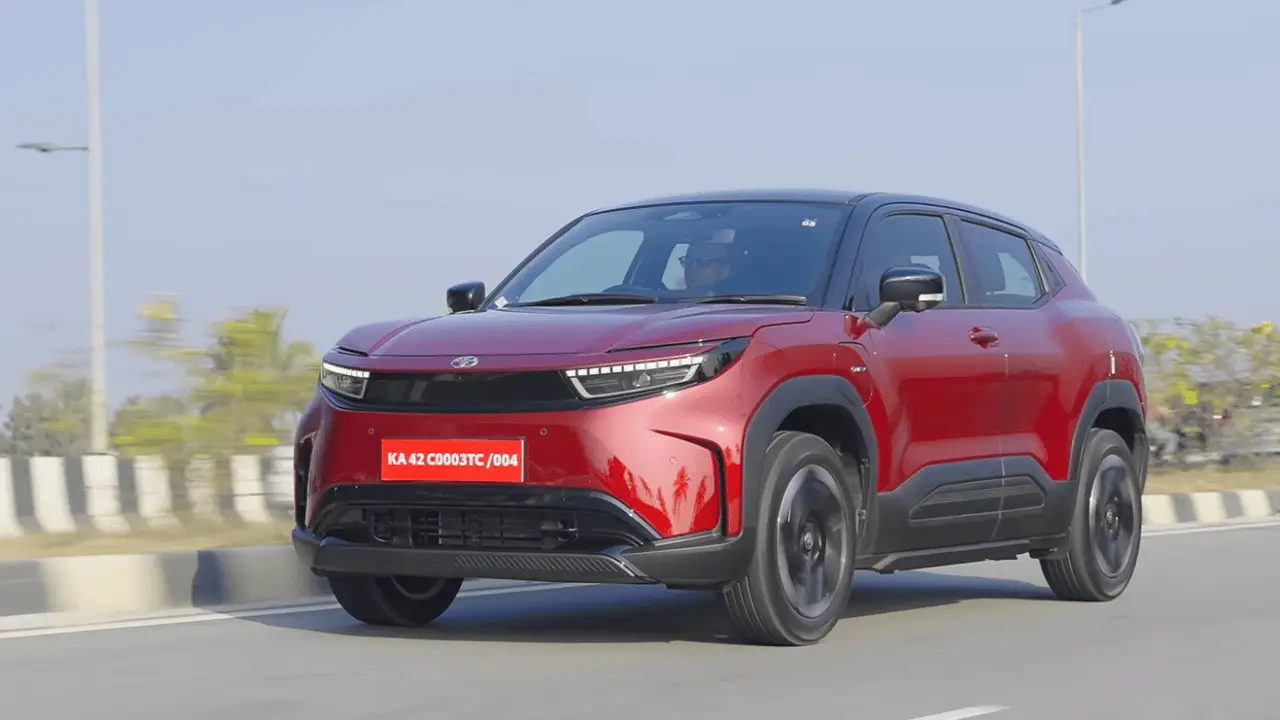
When Toyota first hinted at an electric SUV for India, I was skeptical. Because we’ve seen this before, right? Big announcement, slow rollout, and then the car quietly disappears into a 2-year waiting list. But the Toyota Urban Cruiser Ebella is different. I’ve been tracking this one since January, and honestly, the more I dig into it, the more I think Toyota has played this really smartly. It’s not the flashiest EV out there. It’s not trying to be. And that might actually be the point.
Let’s Start With the Price (Because That’s What Everyone Wants to Know)
No official price yet as of May 14, 2026. The launch is expected around May 20, so we’re literally days away. But based on what’s floating around from dealers and industry sources, here’s the rough picture:
The base E1 variant is expected somewhere around ₹16 to 18 lakh. The mid E2 should sit around ₹18 to 19.5 lakh. And the top E3 with full ADAS? Estimates range from ₹19.5 lakh on the lower end to ₹24-25 lakh on the higher end, depending on who you ask.
My guess? Toyota will try to land the E1 closer to ₹17 lakh to undercut the Creta Electric’s base price. That would make a lot of sense strategically. But we’ll know for sure very soon.
Bookings are already open at a ₹25,000 token. On-road prices in cities like Bangalore or Delhi will be higher once you add registration, road tax, and insurance.
What Exactly Is the Toyota Urban Cruiser Ebella
The Ebella was unveiled on January 20, 2026. It’s Toyota Kirloskar Motor’s first proper mass-market electric SUV for India, and it’s built on a dedicated all-electric platform that it shares with the upcoming Maruti Suzuki e Vitara.
Yes, it’s essentially a rebadged e Vitara under the skin. I know some people will have a problem with that. But here’s the thing: Toyota has done enough to make it its own. Different front end with a cleaner “hammerhead” DRL design, JBL audio instead of Infinity, Toyota’s service network, and the Assured Care program which includes 500+ BEV-ready service touchpoints across India.
So the platform is shared. The ownership experience isn’t. That matters more than people give it credit for.
Toyota Urban Cruiser Ebella Variants: Which One Should You Pick
Three variants: E1, E2, and E3. All front-wheel-drive. All using Lithium Iron Phosphate batteries, which is honestly the right call for Indian conditions.
Why LFP? Because LFP batteries handle heat better, they don’t degrade as fast, and they’re safer. You’re not going to find yourself sweating about battery health after 3 summers in Delhi or Chennai. Toyota also backs it with an 8-year or 2,00,000 km warranty. That’s confidence.
The E1 gets a 49 kWh pack, 106 kW (about 142 bhp), and an ARAI-certified range of 440 km. Good enough for most city buyers.
The E2 and E3 both get the bigger 61 kWh battery, 128 kW (172 bhp), and an ARAI range of 543 km. The E3 is the fully loaded one with Level 2 ADAS thrown in.
If you’re buying this for daily commuting within 80 km and occasional highway use, the E2 hits the sweet spot. The E3 makes sense only if you genuinely want the ADAS features and don’t mind paying the premium.
Real-World Range: Don’t Trust the ARAI Number Blindly
543 km ARAI certified. Sounds amazing. But let’s be real, ARAI numbers almost never translate to real life, especially once you factor in Indian summers, AC running full blast, a full family on board, and the usual highway driving at 100-plus kmph.
In mixed real-world conditions, the 61 kWh variant is realistically looking at 350 to 450 km. Early first-drive tests by Autocar India and CarWale from Feb-March 2026 showed about 337 km projected over a mixed 100 km run. Urban city cycles push this closer to 400 km.
For context: if you’re driving 50 km a day in Bangalore traffic, you’re charging this thing once a week. That’s genuinely practical.
45 minutes. That’s how long DC fast charging (CCS2) takes to go from 10 to 80 percent. Not bad if you’re catching lunch at a mall. Home charging with a 7.2 kW wallbox handles overnight top-ups easily.
Performance-wise, the top variant does 0-100 km/h in about 9.25 seconds. Not sporty, not thrilling. But it’s smooth and composed, which is exactly what the Ebella is trying to be.
The Interior and Features: JBL Finally!
I’ll be honest, this is the part of the Ebella that surprised me most.
The cabin isn’t trying to look futuristic. It’s clean, soft-touch surfaces, decent materials, and it feels well-put-together. Some early reviews have called it “functional but a bit boring” compared to rivals like the Mahindra BE 6. Fair point. But boring doesn’t mean bad.
The first thing you’ll notice is the screen setup: a 10.1-inch touchscreen up front paired with a 10.25-inch digital driver display. Wireless Android Auto and Apple CarPlay are standard. Good.
Now the JBL bit. 10 speakers. For city driving with a long playlist queued up, this is a genuine highlight. It sounds noticeably better than what most rivals offer at this price point.
The i-CONNECT app is Toyota’s connected car system. You can pre-cool the cabin before you get in (very useful for a May afternoon in Lucknow), monitor charge status, set geo-fencing for the kids, and even control things from a smartwatch. It’s not revolutionary, but it works well.
Other bits worth noting: ventilated front seats, panoramic roof, 10-way power driver seat, sliding rear seats, PM2.5 air filter, wireless charging, and ambient lighting. It’s well-equipped.
Safety is solid too. Seven airbags including a knee airbag, 360-degree camera, parking sensors all around, hill hold, ABS with EBD, and stability control. The E3 adds the full ADAS suite: adaptive cruise, lane keep, blind-spot monitor, rear cross-traffic alert, and pre-collision system.
Toyota Urban Cruiser Ebella vs the Competition
Let me give you my honest take, not the marketing version.
Against the Hyundai Creta Electric: the Ebella has more claimed range and feels more refined on the road. The Creta has better brand awareness in the EV space right now and arguably a more exciting feature list in places. But if I had to pick one for 5-year ownership? Toyota, every time.
Against the Mahindra BE 6: the BE 6 wins on excitement and styling. It looks like it’s from 2030. The Ebella looks like a sensible 2026 car. But Mahindra’s after-sales network is still catching up in many cities. Toyota’s isn’t.
Against the Tata Curvv EV: Tata has done well, and the Curvv is a solid car. But Toyota’s resale values, service reputation, and LFP battery choice give it an edge for buyers thinking beyond the first two years.
The trickiest comparison is with the Maruti e Vitara. Same platform, probably ₹2 to 4 lakh cheaper. If you don’t care about the Toyota badge or the JBL system and just want the hardware at a lower price, the e Vitara makes sense. But if service trust and resale value matter to you, the Ebella premium is justified.
Also Read: New Tata Nexon Pure+ PS: Complete Guide to Price, Features, Mileage and Real-World Value (2026)
Who Should Actually Buy the Toyota Urban Cruiser Ebella
Not everyone. And that’s fine.
This car is built for a specific buyer. You live in a metro or a large Tier-2 city. You drive 40 to 80 km daily. You have a parking spot at home or access to charging at the office. You’ve been on the fence about EVs but you’d feel a lot more comfortable with a Toyota badge and a Toyota service center down the road.
That person exists in huge numbers in India right now. And for that person, the Ebella is one of the most sensible options available.
It’s also a very strong pick for families upgrading from petrol SUVs in the ₹15 to 22 lakh range who want the lower running costs of an EV without the risk of buying from a brand they don’t fully trust yet.
If you want AWD, a flashy cabin, or sports-car performance, look elsewhere. The Ebella is not that. It doesn’t pretend to be.
My Take on the Toyota Urban Cruiser Ebella
I’ll wrap up with what I actually think after following this car for months.
Toyota didn’t try to make headlines with the Ebella. They tried to make a car that Indian buyers can trust for 8 to 10 years. That means LFP batteries, a deep service network, solid real-world range, and a cabin that’s comfortable without being gimmicky.
In this segment right now, that’s a smart move. A lot of buyers are still nervous about EVs. The fear of battery degradation, the anxiety about charging, the worry about who fixes it when something goes wrong. Toyota answers most of those fears directly.
Is it the most exciting EV you can buy? No. Is it probably one of the most sensible ones in the ₹16 to 22 lakh range? Yes. Once official prices are confirmed next week, this segment is going to become far more competitive.
So here’s the question for you: are you the kind of buyer who wants the safest, most reliable EV choice right now, or is excitement and “wow factor” still a dealbreaker for you? Drop your honest take in the comments.
Frequently Asked Questions (FAQ)
What is the price of Toyota Ebella in India?
No official price as of May 14, 2026. Industry estimates put it between ₹16 lakh and ₹22 lakh ex-showroom depending on the variant, with the top E3 spec going up to ₹24 to 25 lakh. The launch is expected around May 20, 2026. Current bookings are open at ₹25,000.
Is the Toyota Urban Cruiser Ebella launched in India?
Not yet. The Ebella was unveiled in January 2026 and bookings started then, but the official launch is expected around May 20, 2026. Dealerships are accepting bookings. Full deliveries should follow shortly after the launch event.
What is the difference between E Vitara and E Bella?
Both use the same dedicated electric platform, same battery options (49 kWh and 61 kWh LFP), and the same motor setup. The differences come in design, brand, and ownership experience. The Ebella gets Toyota’s front styling, JBL audio (the e Vitara gets Infinity), Toyota’s Assured Care program, and the advantage of Toyota’s service network. The Ebella is expected to cost roughly ₹2 to 4 lakh more than the e Vitara.
What is the price of Urban Cruiser Ebella on road in Bangalore?
Official ex-showroom prices aren’t out yet. Based on current estimates of ₹16 to 22 lakh (ex-showroom), the on-road price in Bangalore would likely fall between ₹18 lakh and ₹25 lakh once you add road tax, registration, and insurance. Check with your nearest Toyota dealership after the May 20 launch for exact figures.