New Tata Altroz iCNG AMT Launched: Is This the Automatic CNG Car Indian Buyers Were Actually Waiting For?
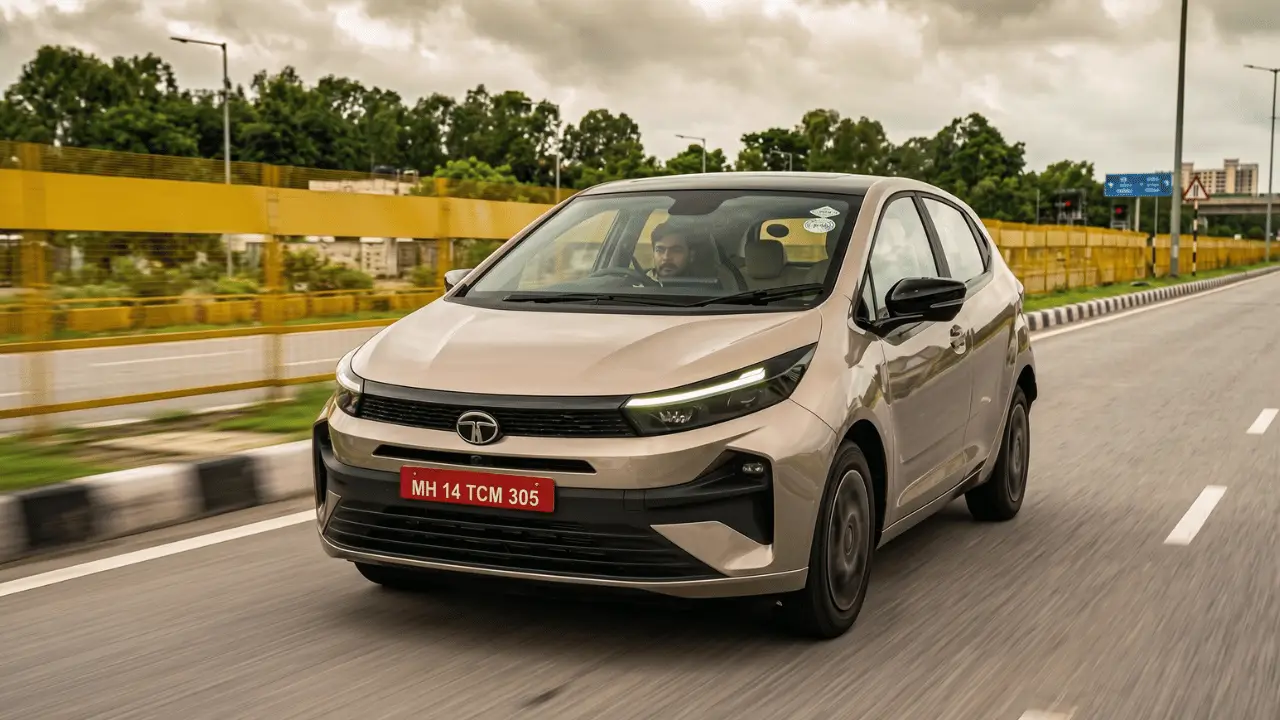
So Tata launched the New Tata Altroz iCNG AMT today and honestly, it’s been a long time coming. No big drama around it, just a straightforward move that makes a lot of sense for the Indian market right now. CNG automatic in a premium hatchback, factory fitted, under 9 lakh. That’s the whole story, really.
A Bit of Background First
CNG has been growing steadily in India. It now holds around 22% of the passenger vehicle market, which is not a small number. People are buying CNG because petrol prices haven’t exactly been kind, and city infrastructure for CNG has improved a lot over the last few years.
The problem was always that CNG cars were manual only. If you wanted an automatic, you had to go petrol and pay more every month at the pump. The Altroz iCNG AMT is basically Tata’s answer to that gap.
What You’re Actually Getting
The engine is the 1.2-litre Revotron three-cylinder, same as before. In CNG mode it makes 73.5 PS and 103 Nm. It’s not fast, but it’s not trying to be. For city use and occasional highway runs, it does the job without complaint.
The AMT is 5-speed. It’s not the smoothest gearbox you’ll ever use, but compared to sitting with your left foot on the clutch every few minutes in Mumbai or Bangalore traffic, it’s a genuine improvement for daily use.
What actually caught my attention is the boot space. Tata uses a twin-cylinder setup placed under the floor, so you still get around 210 litres of usable boot. Most CNG cars in India eat up the entire luggage area. This one doesn’t, and that matters a lot for families.
The bi-fuel system lets the car start directly in CNG mode and switches to petrol automatically when CNG runs low. There’s also leak detection and a faster refuelling nozzle built in. ARAI mileage is 26 to 27.8 km per kg. Real-world city numbers will probably be somewhere around 20 to 23 km per kg.
Also Read: Honda NX500 E-Clutch Launched: India’s Most Practical New Adventure Bike Is Finally Here
Safety and Features
The Altroz has a 5-star Global NCAP rating and that carries over here. Six airbags on most variants, ESP, ABS with EBD, TPMS, corner stability control. For a car in this price range, that’s a solid package.
Higher variants get a voice-assisted sunroof, 360-degree camera, Harman infotainment, wireless charging, rear AC vents. It doesn’t feel like a basic CNG special, which is good because that reputation has hurt a lot of CNG cars in India.
Price and Whether the Math Works
Starting price is Rs 8.70 lakh ex-showroom Delhi. The manual iCNG starts around Rs 7.30 lakh, so the AMT costs you roughly Rs 55,000 to Rs 60,000 more.
CNG runs about 50 to 60 percent cheaper per kilometre than petrol. For someone driving 1,000 to 1,500 km a month, the annual fuel savings compared to a petrol car can easily be Rs 40,000 to Rs 60,000. The AMT premium essentially recovers itself within the first year of ownership for most regular drivers.
How It Sits Against Rivals
The Maruti Baleno CNG starts around Rs 8.35 lakh but it’s manual only, boot space takes a hit, and safety ratings aren’t quite at the same level. The Altroz petrol AMT starts lower at around Rs 7.65 lakh but you lose the CNG fuel cost advantage.
Right now, no other carmaker is offering an automatic CNG premium hatchback at this price in India. That’s a pretty clear position for Tata to be in.
Who This Car Makes Sense For
Office-goers in cities like Delhi, Pune, Hyderabad, and Mumbai where CNG pumps are easy to find. Families who drive a decent amount every month and feel the fuel cost. People who wanted the Altroz petrol AMT but kept hesitating because of running costs.
If your city doesn’t have great CNG coverage yet, this probably isn’t the right call. But for most metro buyers, it’s a sensible option.
My Take
The New Tata Altroz iCNG AMT isn’t trying to do anything flashy. It just fills a gap that genuinely existed, automatic CNG at a reasonable price with proper boot space and good safety. Tata has been refining this iCNG setup since the Tiago and Tigor days, and it shows.
Bookings are open now. On-road prices will vary by city so worth checking with your local dealer before finalising anything.
Is the Rs 55,000 to Rs 60,000 jump over the manual iCNG worth it for you? For most people driving daily in city traffic, it probably is.