Renault Duster 1.0 MT 2026 Real-World Review: Best Value Manual Midsize SUV Under ₹14 Lakh?
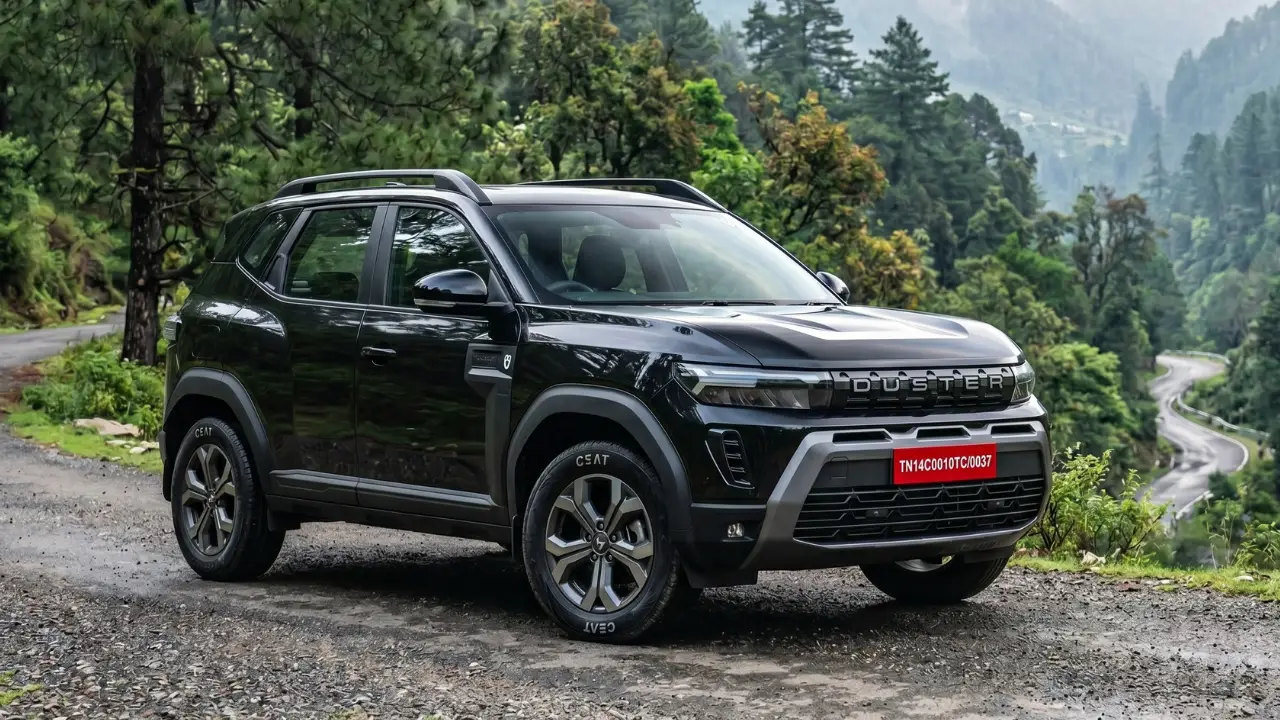
The Renault Duster 1.0 MT is back. And honestly, it has no business being this good at this price. While everyone kept arguing Creta versus Seltos, Renault quietly dropped a properly modern Duster on a new platform, with real safety hardware, a refreshed cabin, and that same stubborn go-anywhere attitude the old one was famous for. I have driven this thing through Bengal’s crater-sized potholes and Kolkata’s soul-destroying peak-hour traffic. My verdict? Not perfect. But sharp where it counts.
The Financial Reality: Pricing and Trim Sweet Spot
The Renault Duster 1.0 MT starts at ₹10.49 lakh for the Authentic trim, steps up to ₹11.69 lakh for the Evolution, and lands at ₹13.49 lakh for the Techno.
Skip the Authentic. Full stop. It exists to print a low number in advertisements. The Evolution is better but still ships without the touchscreen infotainment, which in 2026 is simply unacceptable.
The Techno at ₹13.49 lakh is the only trim worth your test drive booking. You get the 10.1-inch OpenR Link screen, wireless Android Auto and Apple CarPlay, a 7-inch driver display, 6 airbags, and ESP as standard. On-road across most cities, budget ₹15.5 to ₹16 lakh all-in. That is noticeably cheaper than equivalent Creta variants, and the Duster gives you more ground clearance and boot space in return.
One hard limit: the 1.0L engine stops at Techno. The Techno+ and Iconic trims are exclusive to the 1.3L turbo. For the TCe 100 motor, Techno is both the ceiling and the only rational choice.
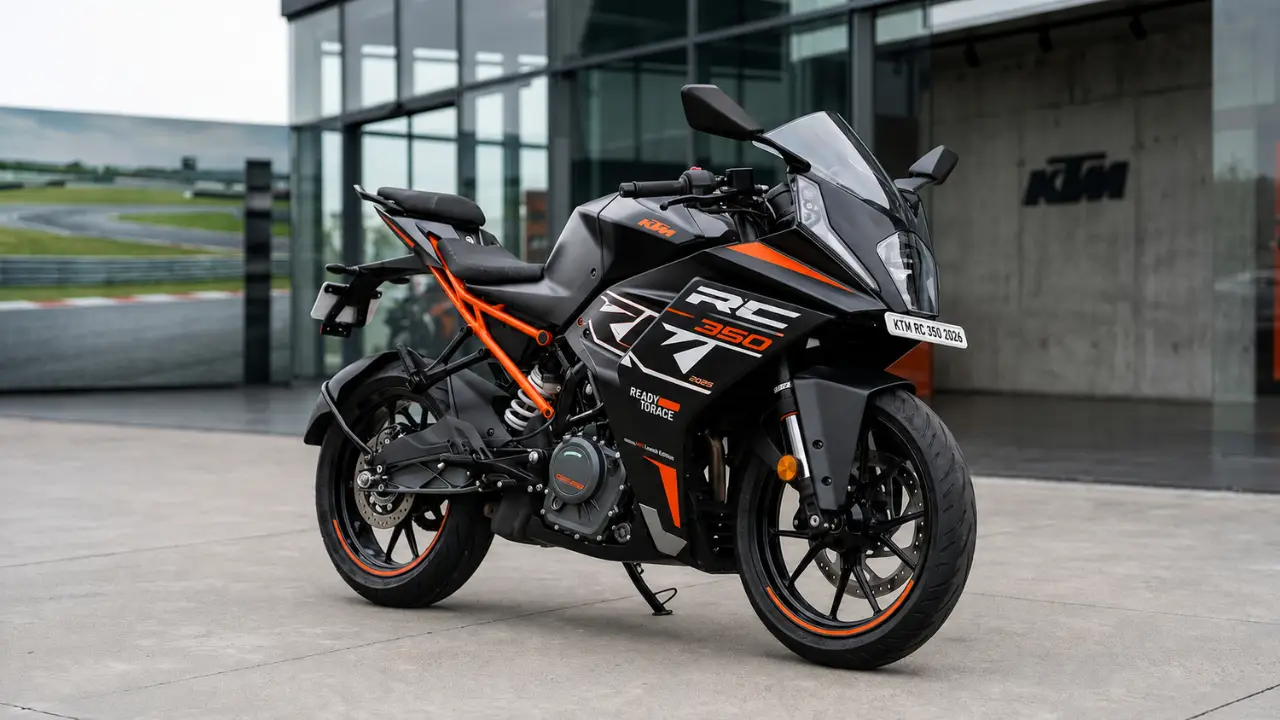
Also Read: KTM RC 350 Expected Price, Launch Date & Why It Could Be the Sports Bike India Actually Needed
Real-World Performance of the Renault Duster 1.0 MT
Under the bonnet: 999cc, 3-cylinder turbo, 99 hp, 166 Nm. Six-speed manual. FWD. That is the whole package for this variant.
Below 2,000 rpm in city traffic, the turbo lag is real. Crawling through Jadavpur crossing at 8 AM, working that clutch in bumper-to-bumper, gets tiring fast. No point sugarcoating it. Push past 2,500 rpm on the open highway though, and the motor wakes up properly. Third gear, quick downshift, clean overtake. It works.
ARAI efficiency: 19.41 kmpl. Best in the Duster lineup. Real-world in Eco mode with start-stop active? Expect 15 to 17 kmpl without trying hard. For a midsize SUV, that is genuinely strong.
Two things you need to accept before signing the papers. One: there is no automatic gearbox for this engine. Zero options. If your commute is pure city stop-start, this will wear you down. Two: three-cylinder engines vibrate at idle. Every single one of them. This is not a Duster problem specifically; it is just how 3-pot motors behave. But you will feel it at every traffic signal.
Cabin Practicality and Family Usability
| Spec | Figure | Real-World Meaning |
|---|---|---|
| Ground Clearance | 212mm | Crawls over those unscientific city speed bumps and broken rural stretches without drama |
| Boot Space | 518 litres | Four large check-in bags fit. Easily. |
| Wheelbase | 2,657mm | Two adults in the rear, long drive, no complaints |
| Fuel Tank | 50 litres | Around 750 km of highway range before you stop |
| Roof Rails | 50 kg load capacity | Cycle carrier, camping gear, weekend trip sorted |
The cabin holds up well. Rear AC vents, USB-C ports, decent knee and headroom, and a dashboard that does not feel like a budget compromise. The 518-litre boot is one of the largest numbers in this segment and actually lives up to it in practice.
Now let us talk about a genuine corner cut by Renault. They skipped the physical spare wheel completely, replacing it with a basic puncture repair kit. On a car that is marketed for rough terrain use, that decision is hard to defend. Before delivery, pin your dealer down on exactly what your specific variant ships with. In areas with spotty roadside assistance coverage, this is not a small issue.
Verdict: Should You Buy or Skip the Renault Duster 1.0 MT?
Buy it if you want a proper, no-nonsense midsize SUV with genuine road clearance, strong real-world efficiency, and honest value at the Techno trim. The Renault Duster 1.0 MT is not built for buyers who want to impress the housing society. It is built for people who actually drive their SUV like one.
Skip it if you need an automatic, want top-spec features, or spend most of your driving hours in stop-and-go urban chaos. The 3-cylinder lag plus a manual box in heavy traffic is a combination that will test your patience within weeks. In that case, the 1.3L Turbo or the Taigun AT makes more sense.
The Duster was never about glamour. It was always about covering ground without fuss. In 2026, that job description still fits.
Techno trim and live with it, or stretch to the 1.3L for a calmer drive: which side are you on? Tell me in the comments.