New Nissan Tekton SUV 2026: Complete Guide to India’s Most Anticipated C-SUV
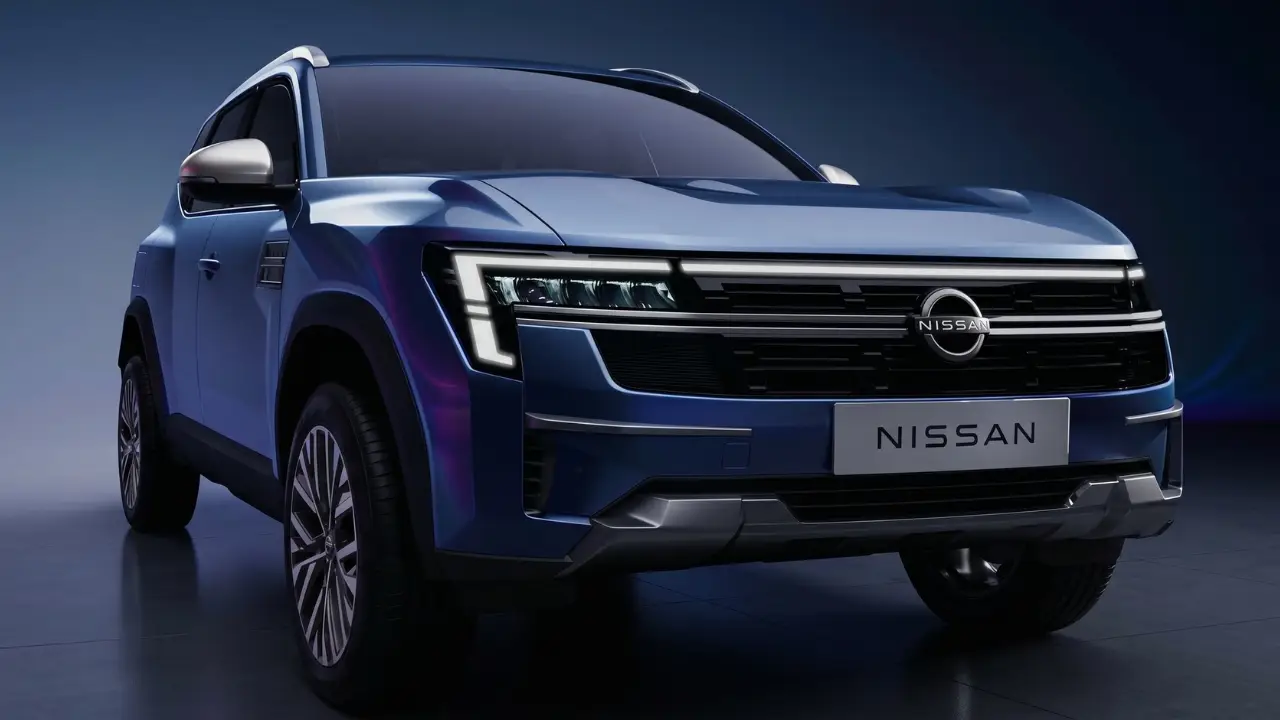
Nissan is finally waking up. After sitting on the sidelines since the Kicks quietly faded out, the brand is bringing something genuinely interesting to India on July 9, 2026. The Nissan Tekton SUV is not a rushed comeback product — from the teasers and spy shots so far, it looks like Nissan actually means business this time. Bold design, a punchy 1.3-litre turbo engine, and a feature list that directly challenges the Hyundai Creta and Kia Seltos. That is a strong hand to play.
What Is the Nissan Tekton SUV?
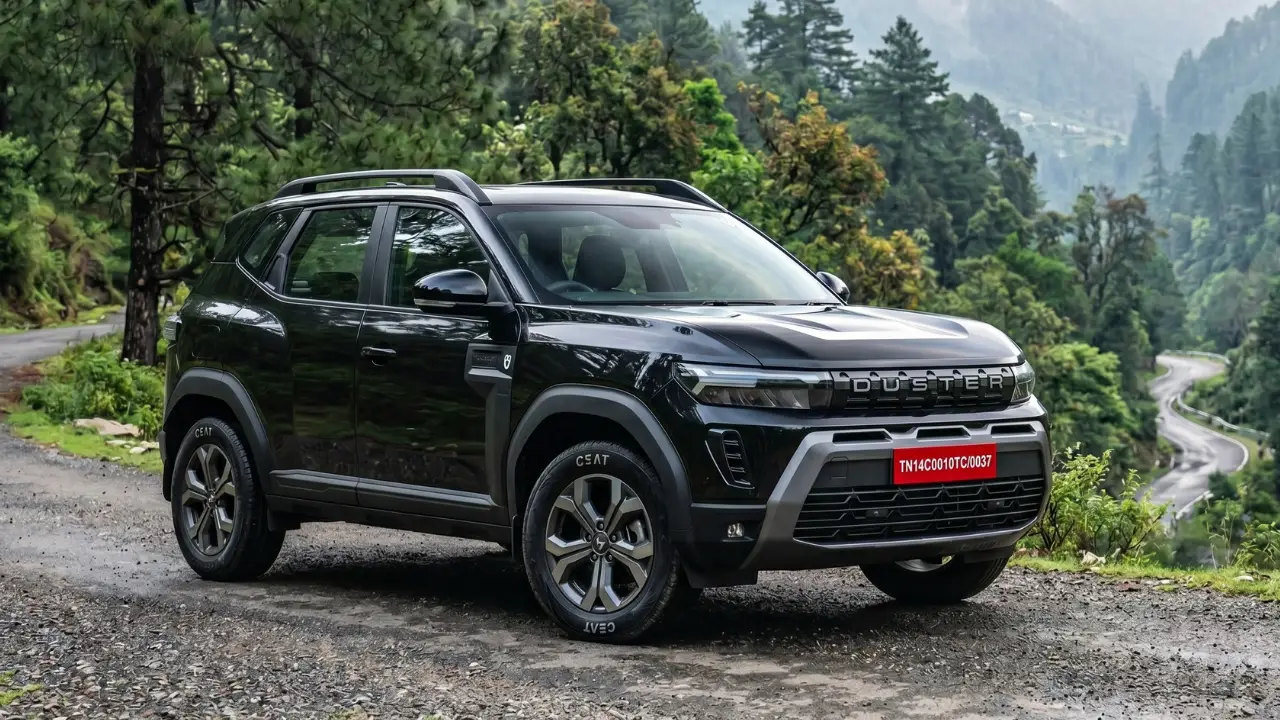
The name comes from the Greek word for craftsman or architect, and Nissan is leaning into that identity hard. The Tekton is a premium C-SUV built specifically for India, manufactured at the Renault-Nissan plant in Chennai. It shares the Alliance’s CMF-B platform with the new Renault Duster, but that is roughly where the similarities end. The exterior design, interior tuning, and overall positioning are distinctly Nissan.
It shares the Duster’s bones, but the skin and interior tuning are purely Nissan. That distinction matters for buyers who want the Patrol heritage badge over a French brand tag.
The “Made in India for the world” strategy also means the Chennai plant is being set up with exports in mind, which usually signals Nissan is committing seriously to local production quality.
Design: This One Actually Stands Out
Most C-SUVs play it safe with design. The Tekton does not.
Official teasers show a full-width LED light bar up front, connected DRLs, a wide chrome-accented grille, and flared wheel arches that make it look properly planted. The rear carries another full-width LED bar that is a clear nod to the iconic Nissan Patrol. It sits on 18-inch alloys with 225-section tyres — one of the widest setups you will find in this segment.
Spy shots from early 2026 testing show an upright, SUV-like side profile with a long wheelbase and short overhangs. The front and rear are differentiated enough from the Duster that most people would never guess they share a platform.
Nissan’s design chief Alfonso Albaisa’s team has aimed squarely at that big-SUV presence in a compact footprint. Based on what we have seen so far, they have nailed it.
Platform, Engines, and What They Mean in Real Life
The CMF-B platform is a solid foundation. It offers good ride quality and space efficiency, and it keeps manufacturing costs manageable, which should reflect in competitive pricing for buyers.
Wheelbase is approximately 2,657 mm — respectable for the segment and should mean a genuinely comfortable rear seat. Front-wheel drive on most variants, with AWD available on higher trims.
The 1.3-litre turbo-petrol is the engine to focus on. It produces 163 hp and 280 Nm, paired with either a 6-speed manual or a 6-speed DCT. That torque figure is stronger than the top petrol options in both the Creta and Seltos. For someone doing daily runs in heavy traffic or longer weekend highway trips, this engine will feel responsive and easy to live with.
The 1.0-litre turbo with 100 hp and 166 Nm is the entry option — decent for city use but not the reason to buy a Tekton. The 1.8-litre strong hybrid is planned but is realistically a late 2026 or 2027 arrival, so do not factor it into your buying decision right now.
No diesel confirmed for launch.
Engine Options
| Engine | Power | Torque | Gearbox | Best For |
|---|---|---|---|---|
| 1.0L Turbo Petrol | ~100 hp | ~166 Nm | 6MT | City use, budget entry |
| 1.3L Turbo Petrol | ~163 hp | ~280 Nm | 6MT / DCT | The one to buy |
| 1.8L Strong Hybrid | ~160 hp | N/A | e-CVT | Efficiency (late 2026/2027) |
Tekton vs Key Rivals
| Parameter | Nissan Tekton | Hyundai Creta | Kia Seltos | New Duster |
|---|---|---|---|---|
| Design Boldness | Very High | High | High | Medium |
| Peak Power | 163 hp | 160 hp | 160 hp | 163 hp |
| Brand Premium Feel | High | Very High | Very High | Medium |
| Service Network | Limited | Excellent | Excellent | Growing |
| Expected Price (ex-sh.) | Rs. 10.5-19L | Rs. 11-20L | Rs. 11-21L | Rs. 10-18L |
Features and Cabin
Nissan has not held back on the feature list. The 10.1-inch touchscreen gets wireless Android Auto and Apple CarPlay, backed by a 10.25-inch digital instrument cluster. Higher variants get a panoramic sunroof, ventilated and powered front seats, wireless charging, dual-zone auto climate control, 360-degree camera, powered tailgate, and Level 2 ADAS.
That is a strong feature stack by 2026 C-SUV standards. Safety across variants includes ESC, hill descent control, and multiple airbags.
Also Read: Honda ZR-V 2026 India Launch: The New Powerful Hybrid SUV Honda Should Have Brought Years Ago
Pricing and Value
Expected ex-showroom pricing is Rs. 10.5 to 19 lakh, putting it right in the middle of the segment’s price battlefield. That range suggests Nissan is trying to go toe-to-toe at both the entry and premium end simultaneously.
At the lower end it lines up against the Taigun and Kushaq. At the top it is squaring up against fully loaded Cretas and Seltos trims. Given the design differentiation and engine output, the pricing looks competitive on paper. Final variant-wise numbers will drop on or after July 9.
Tekton vs Creta vs Seltos: The Real Comparison
Against the Hyundai Creta, the Tekton’s biggest cards are design boldness and slightly better torque output. The Creta wins on resale value and a service network that covers practically every city, town, and highway exit in India. That is a real-world advantage that should not be underestimated.
Against the Kia Seltos, the story is similar. Seltos buyers get a cabin that feels premium and a dealership experience that Nissan currently cannot match. The Tekton counters with fresher looks and what should be a sharper price at comparable spec levels.
Versus the new Renault Duster, the Tekton wins purely on brand aspiration. The Nissan name carries a stronger global SUV heritage story, and the Patrol-inspired design gives it a visual advantage. Both will appeal to slightly different buyers, even with shared mechanicals underneath.
The service network situation is the honest weak spot across all these comparisons. Outside the metros, Nissan’s reach is genuinely limited compared to Hyundai, Kia, and Maruti. Anyone buying a Tekton in a smaller city should map out their nearest authorised service centre before finalising the purchase.
Who Should Consider the Nissan Tekton SUV?
Buy it if you want a C-SUV that stands out on the road, prioritise strong petrol performance, and live within reach of a Nissan service centre. The 1.3L DCT is a particularly compelling setup for highway drivers and anyone who wants a more engaging drive than the typical mild-hybrid CVT combos on offer from rivals.
Hold off if a wide service network is non-negotiable, if you are waiting specifically for a hybrid at launch, or if you are deeply focused on long-term resale value data — which, for a brand-new model, simply does not exist yet.
Final Take
Nissan has made a smart call here. By using the Renault Alliance’s proven platform and powertrains, they avoided reinventing the wheel and could focus budget on design and features — exactly where buyers notice the difference. The result is a C-SUV that looks like nothing else in the segment, with an engine lineup that can genuinely compete.
The Nissan Tekton SUV will not automatically dethrone the Creta or Seltos. Those cars have years of trust, service infrastructure, and resale value on their side. But for buyers who are tired of seeing the same faces on the road and want something with a stronger visual personality and a punchy petrol engine, the Tekton is shaping up to be a genuinely compelling option.
July 9 will tell the complete story. Until then, the early signs are good.
So — would you pick the Nissan Tekton over the Creta or Seltos, or does the service network concern change the calculation for you? Drop your thoughts below.