Tata Sierra EV: Is the Legend Actually Worth the 2026 Hype?
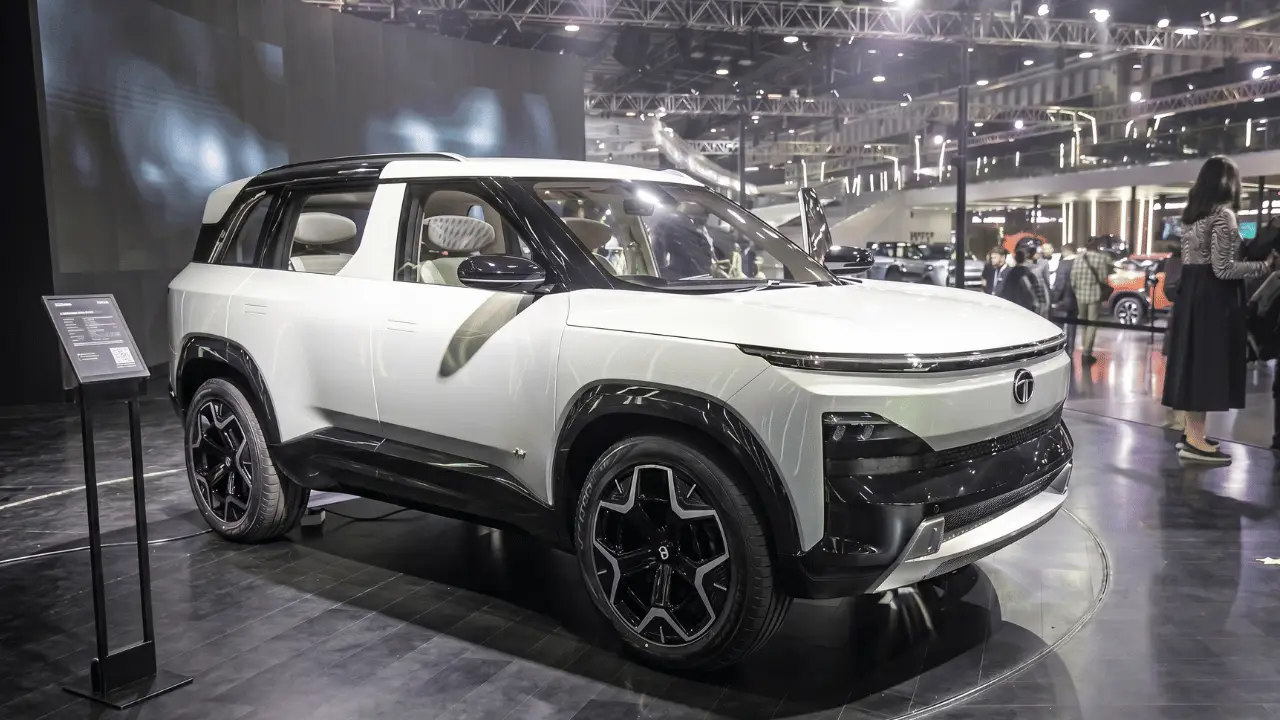
I still remember the first time I saw a Tata Sierra as a kid. Three doors, that massive wraparound rear glass, parked outside a government colony in our neighbourhood. It looked completely out of place among all the Marutis and Ambassadors. My dad called it the “fancy car.” That memory stuck.
So when Tata confirmed the Sierra EV is coming back in electric form, I genuinely felt something. Not just excitement as a car journalist. Something more personal than that.
I have been tracking the spy shots out of Pune for weeks now. The launch is looking locked in for May 19th, give or take. And after going through everything we know so far, here is my honest take: Tata is not playing it safe with this one. Not even a little.
Why the Sierra EV Is a Bigger Deal Than It Looks
Tata has around 40 percent of India’s EV passenger vehicle market right now. That is a number worth protecting, and they know it. The Nexon EV crossed one lakh units. The Harrier EV has momentum. But neither of those carries the kind of emotional weight the Sierra name does.
This is Tata betting that heritage plus hardware equals a hit. And honestly? Based on what we know, that bet looks smart.
The Sierra EV sits between the Curvv EV and the Harrier EV in the lineup. Premium, but not out of reach. That positioning is deliberate and it makes sense for the buyer Tata is targeting.
What You Are Actually Getting: Tata Sierra EV Specs Broken Down
The platform is Tata’s Acti.EV Gen 2 architecture. Same bones as the Harrier EV, which is a good thing because that car has been well-received on the range and refinement front.
Two battery options are coming. A smaller pack around 55-65 kWh and a larger one in the 65-75 kWh range. Claimed ARAI range on the top variant is 500-600 km. Real world, on Indian roads, in Indian traffic? Expect 400-480 km comfortably. That is still good. That is highway-run-without-panic territory.
Base variants are rear-wheel drive. Higher trims get dual-motor AWD. For anyone who has driven on NH48 during monsoon or navigated a flooded underpass in Gurugram, AWD is not a marketing feature. It is actually useful.
Charging is rated at 100 kW DC. Look, 100 kW is acceptable for 2026 but it is not exceptional. If Tata wants to genuinely compete with Hyundai’s fast-charge numbers, they need to make sure the Tata.ev charging network on major highways is actually functional and not perpetually “under maintenance.” That has been a valid complaint from existing Nexon EV owners and it needs to be addressed at scale.
V2L and V2V support are on the list too. Power your fridge during a Ladakh camping trip or charge another EV. These are not features most buyers will use every week, but they signal where EV tech is headed.
The Cabin Is Where This Gets Interesting
Triple screen setup inside: 12.3-inch infotainment, a co-driver display, and a 10-inch driver instrument cluster. Panoramic sunroof. Ventilated front seats. 360-degree cameras. Level 2 plus ADAS. This is a properly loaded package for the money.
The feature I keep coming back to is the optional Lounge layout. Four captain seats with sliding and reclining rear thrones. Think about long drives from Delhi to Chandigarh, or a Mumbai to Goa run with the family. That rear seat setup changes the experience completely. It is the kind of thing that makes a car memorable.
The tech list is genuinely strong. Not “strong for the price” strong. Just strong.
Also Read: MG Majestor: India’s Most Powerful Full-Size SUV Is Here to Shake Up the Fortuner Era
Price and the BaaS Option: What Buyers Should Know
The Tata Sierra EV is expected in the Rs 20-25 lakh ex-showroom bracket. Unofficial bookings are already open at select dealerships for Rs 11,000 as a token amount.
Tata is also offering the Battery-as-a-Service model, which separates the battery cost from the vehicle price and brings the upfront number down. If you are comparing this to an EMI on a petrol SUV in the same segment, the math starts to look interesting once you factor in fuel savings and lower service costs.
For context, running a petrol SUV at today’s fuel prices for 1,500 km a month works out to roughly Rs 8,000-10,000 in fuel alone. The Sierra EV at home charging rates brings that down substantially. Over 3-4 years, the gap closes faster than most people expect.
Tata Sierra EV vs the Competition: Straight Talk
The Mahindra BE 6 is probably the most direct rival. Bold styling, AWD option, Rs 18-24 lakh range, strong tech. It is a serious car. But Mahindra’s service network and software maturity are still catching up to Tata’s.
The Hyundai Creta Electric is the safe, premium choice. Great build quality, trusted brand, around Rs 18-22 lakh. But it is front-wheel drive only, and the range tops out around 450-500 km claimed. For buyers who want something with more personality, it can feel a bit anonymous.
The Maruti eVitara is interesting from a price point, starting around Rs 17 lakh, but it is also FWD only and does not match the Sierra EV on space or features.
The Sierra EV’s actual advantage is the combination of design identity, AWD availability, and that battery range. No other car in this bracket offers all three. That is a real differentiator, not a marketing line.
Verdict: Buy It If… Skip It If…
Buy it if you are in the Rs 20-25 lakh bracket and want a proper electric SUV with character. If you do long highway drives regularly, have a family that values interior space, or just want something that does not look exactly like every other crossover on the road, the Sierra EV is made for you. The AWD variant especially makes sense if you live outside a metro or drive through varied terrain.
Also Read: The Skoda Kodiaq 2026 Update Finally Gets ADAS Right and Here Is What That Actually Means for Buyers
Skip it if you are primarily a city driver who does under 50 km a day and wants the lowest possible upfront cost. The Nexon EV or the Punch EV will serve you better at a lower price point. Also skip it if fast charging network access is critical for your use case and you are not confident Tata’s charging infrastructure in your region is ready. That is a genuine concern worth checking before booking.
My Take
The original Sierra was ahead of its time. It did not get the sales it deserved partly because the market was not ready for it. The EV version arrives at a completely different moment. Infrastructure is better. Awareness is higher. And Tata has years of EV credibility behind it now.
The design is what will close deals. That boxy silhouette, the wraparound glass, the stance. In a segment where many SUVs are starting to look and feel similar, the Sierra EV stands out with a stronger identity, the Sierra EV has a point of view. That matters more than people give it credit for.
If the final production car delivers on what the spy shots and spec sheets are promising, this is the most exciting launch from Tata since the original Nexon EV.
Keep an eye on Tata’s official channels. The reveal is days away. Are you already planning to book, or are you the type who waits for the first real owner reviews before pulling the trigger?