Mahindra Vision S EV (2026): Launch Date, Expected Price & Real-World Range
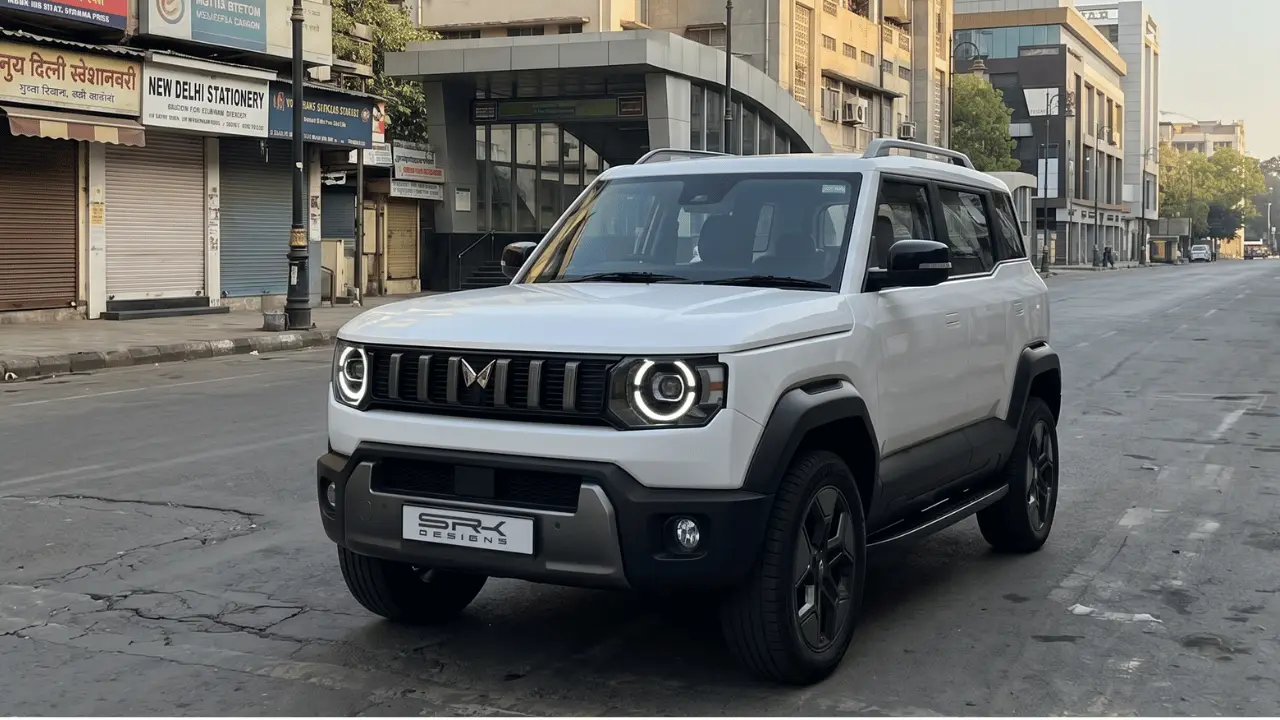
If you thought the sub-4-meter EV space was getting predictable, Mahindra is about to shake things up. The Mahindra Vision S EV is not here to blend into the crowd of sleek, aerodynamic city runabouts. It is here to remind you what an SUV is supposed to look like, feel like, and do. And after seeing the spy shots from Manali testing, it is hard not to get a little excited.
What Is the Mahindra Vision S EV?
First shown as a concept in August 2025, the Vision S EV has since moved into serious road trials on some of India’s toughest terrain. It slots into the sub-4-meter compact SUV segment, built on Mahindra’s new NU_IQ platform. This architecture handles both electric and ICE powertrains, which means Mahindra gets the flexibility to launch petrol and diesel variants first while the full electric version follows close behind.
Smart move, honestly. It lets them test market reception before going all in.
Design That Actually Commits
Mahindra could have easily played it safe with the aero-wheel covers and flush-everything styling we see on every other EV today. Instead, they went with a raised bonnet, a vertical slat grille, circular LED projectors, and 18-inch alloys wrapped in heavy body cladding. It is boxy, upright, and unapologetic.
Does that hurt aerodynamic efficiency? Slightly, yes. But Mahindra has clearly decided that their buyer is not the person obsessing over Cd values. They want an SUV that looks like an SUV. And on that front, the Vision S delivers completely.
The rear is squared off with slim LED taillights. Large cabin windows make visibility genuinely good. The overall silhouette is already drawing Bolero comparisons, and coming from Mahindra, that is not an insult. That is brand identity.
Interior: Where It Surprises You
This is where the Vision S EV catches you off guard. The exterior screams old-school, but step inside and it is a very different story. Dual screens connect the instrument cluster and infotainment into one seamless layout. There is a two-spoke steering wheel, vertical AC vents, and design DNA directly borrowed from the XEV 9e.
Level 2 ADAS, a 360-degree camera, six airbags, and Electronic Stability Program round out the safety list. For a sub-4-meter EV in this price range, that is not just good. That is genuinely impressive.
Range: What the Numbers Actually Mean
The Vision S EV targets 350 to 400 km of range. Written on a spec sheet, that is a decent number. But here is what it actually means for you: a Delhi to Jaipur run is roughly 280 km. You do that without touching a charger and still come home with buffer. A Mumbai to Pune trip is around 150 km each way. You handle it comfortably in one charge.
This is not range that forces you to plan every trip around charging anxiety. That matters.
Now compare that to the Tata Sierra EV, which is targeting a similar bracket and shaping up to be the Vision S EV’s most direct rival in 2026. The Punch EV and Nexon EV are solid cars, but they are built for city buyers who want something easy and efficient. The Vision S EV is built for someone who actually wants to go somewhere. That is a different conversation entirely.
Pricing and What You Get for It
Estimated ex-showroom pricing sits between Rs 10.5 lakh and Rs 17.5 lakh. For dual screens, ADAS, six airbags, and that road presence? The value math works. Competitors at this price ask you to compromise on either tech or character. The Vision S EV seems unwilling to do either.
Who Should Actually Buy This?
Be honest with yourself here. If your daily drive is a 12-km office commute and the worst road you face is a Mumbai pothole, the Punch EV does the job better. But if you do regular highway runs, occasional rough roads, or simply want an EV that turns heads for the right reasons, the Vision S EV is worth the wait.
Also Read: Mahindra Bolero Neo 2026 Launched With 22kmpl High Mileage and Safety Features
It is built for buyers in semi-urban markets, families who actually load up their SUV on weekends, and anyone who has looked at current EV options and thought: too soft, too small, too city.
Conclusion
The Mahindra Vision S EV does not try to be everything to everyone. It knows its buyer, sticks to its character, and backs it up with genuinely strong technology. With a launch window of late 2026 to early 2027, the wait is real but the anticipation is earned.
Rugged design, smart interior, honest range, and a price that does not require a second mortgage. That is the pitch. It holds up.
So here is the question worth sitting with: in a market flooded with EVs that all start looking the same after a while, is the Mahindra Vision S EV the one that finally gives the practical, no-nonsense buyer something worth switching for?